Building your house involves much more than just desires for architecture or decoration. The land, the construction contract, the legal guarantees: each step hides technical and legal pitfalls that can turn a serene project into an expensive dispute. This article focuses on the concrete points of vigilance that most construction guides do not detail.
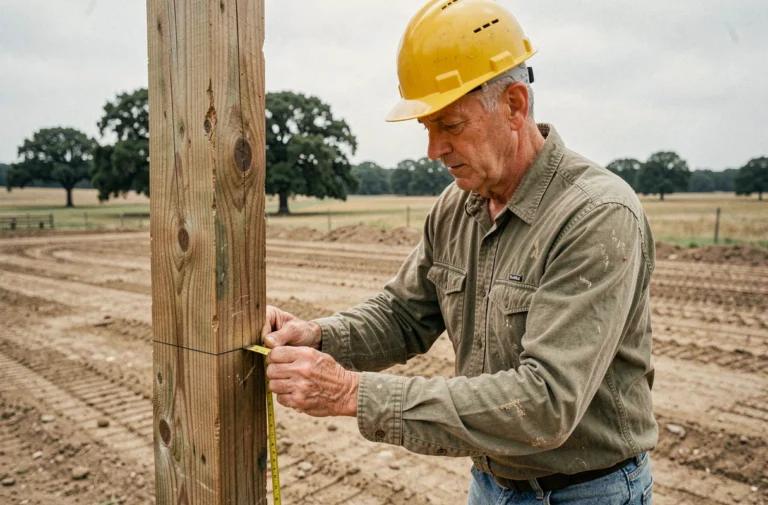
Soil Study and Land Purchase: The Technical Lock Before Any Commitment
You have spotted a well-located plot at a good price. The temptation to sign quickly is strong. Before that, one technical point deserves your full attention: the soil study.
The G1 soil study analyzes the geological nature of the land (clay, rock, groundwater). It determines the type of foundations needed and, consequently, the actual cost of construction. A clayey soil, for example, can swell and shrink over the seasons, causing cracks in a poorly sized slab.
Make the soil study contractual in the pre-sale contract, even if your land is not officially located in an identified clay zone. This precaution protects you against foundation cost overruns discovered after signing. Without this clause, the seller has no obligation to inform you about the precise nature of the subsoil.
To explore the different types of houses suitable for your project, you can access the house page of Maison Future Co, which presents several configurations based on the land and the chosen construction method.
Questions to Ask Before Signing the Compromise
- Has the G1 soil study been conducted, and if so, what are its conclusions on load-bearing capacity and shrink-swell risks?
- Is the land subject to a Natural Risk Prevention Plan (PPRn) that imposes specific construction constraints?
- Are the utilities (water, electricity, sanitation) at the property line, or do you need to finance their extension?
These elements directly influence the overall budget. Ignoring them is like signing a blank check for the foundations and utility connections.
Individual House Construction Contract: Clauses That Protect (or Not)
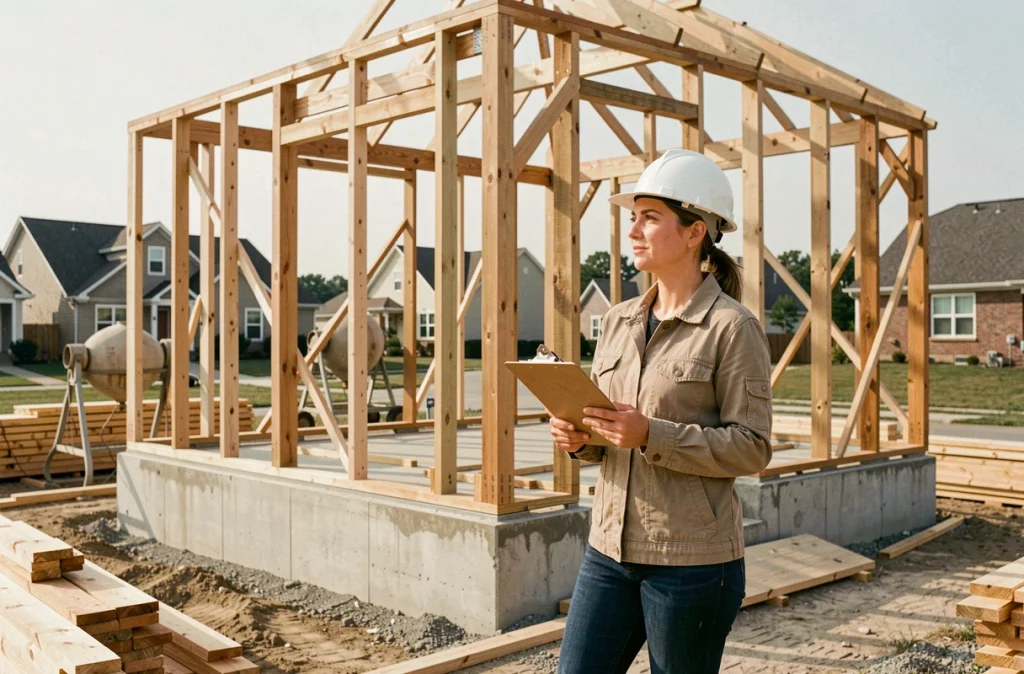
The CCMI (Individual House Construction Contract) is the most regulated legal framework in France for building. It requires the builder to guarantee delivery at the agreed price and deadlines. But this protective framework only works if you read every line of the contract.
Why does this point matter so much? Because the technical description attached to the contract precisely defines what will be delivered. A vague term like “standard quality flooring” allows the builder to choose the cheapest material. Every element must be specified: type of materials, brand or equivalence, insulation thickness, model of joinery.
Delay Penalties and Damage Insurance
The CCMI provides for delay penalties, but their amount varies. Check that they are expressed as a fraction of the price per day of delay, and not capped at a symbolic amount.
Damage insurance must be taken out before the construction site opens. It covers issues covered by the ten-year guarantee without waiting for a court decision. Without it, a structural problem discovered after acceptance forces you to engage in a lengthy procedure against the builder before obtaining compensation.
Site Acceptance: The Report That Activates Your Guarantees
Acceptance is the most underestimated legal moment in a construction project. It is not just a courtesy visit: it is the act that transfers responsibility from the builder to you and activates the legal guarantees (perfect completion, biennial, ten-year).
Record all reservations in the acceptance report, even details that seem minor: a poorly positioned socket, a hairline crack on a coating, an incomplete tile joint. A reservation not mentioned on the day of acceptance becomes much more difficult to correct later.
What the Report Must Contain
The document lists each defect observed, piece by piece. Take timestamped photos for each reservation. If you are not comfortable with the technical inspection, have a professional independent of the builder accompany you.
Once the reservations are made, the builder has a period (set in the report or by the perfect completion guarantee, which is one year) to resolve them. Never sign a report without reservations under pressure from the builder. This signature constitutes acceptance of the work as is.

Design and Materials: Balancing Cost, Comfort, and Durability
The choice of construction materials is not just an aesthetic question. It determines thermal performance, acoustic comfort, and maintenance costs over several decades.
Are you hesitating between a wooden frame and a concrete block construction? Each option has concrete implications:
- The wooden frame offers quick implementation and good natural thermal insulation but requires rigorous treatment against moisture and insects depending on the region
- Concrete block remains the most common material in France, with a generally lower cost per square meter, but it requires high-performance insulation to meet the requirements of RE 2020
- Biosourced materials (hemp, straw, raw earth) are progressing but involve finding trained artisans and accepting sometimes longer construction times
RE 2020 imposes energy performance and carbon footprint thresholds on all new constructions. This regulatory framework directly influences the choice of materials, heating systems, and ventilation. Ignoring these requirements from the design stage risks a compliance refusal upon delivery.
The orientation of the house on the land also plays a crucial role. A main facade facing south with generous openings captures solar gains in winter and reduces heating bills. In summer, roof overhangs or sunshades prevent overheating without resorting to air conditioning.
Building your house remains a project where every technical decision made in advance (soil, contract, materials) conditions the tranquility of the years that follow. The acceptance report, often rushed, is the last line of defense before the guarantees are activated. It is better to dedicate half a day of attention than a year of claims.