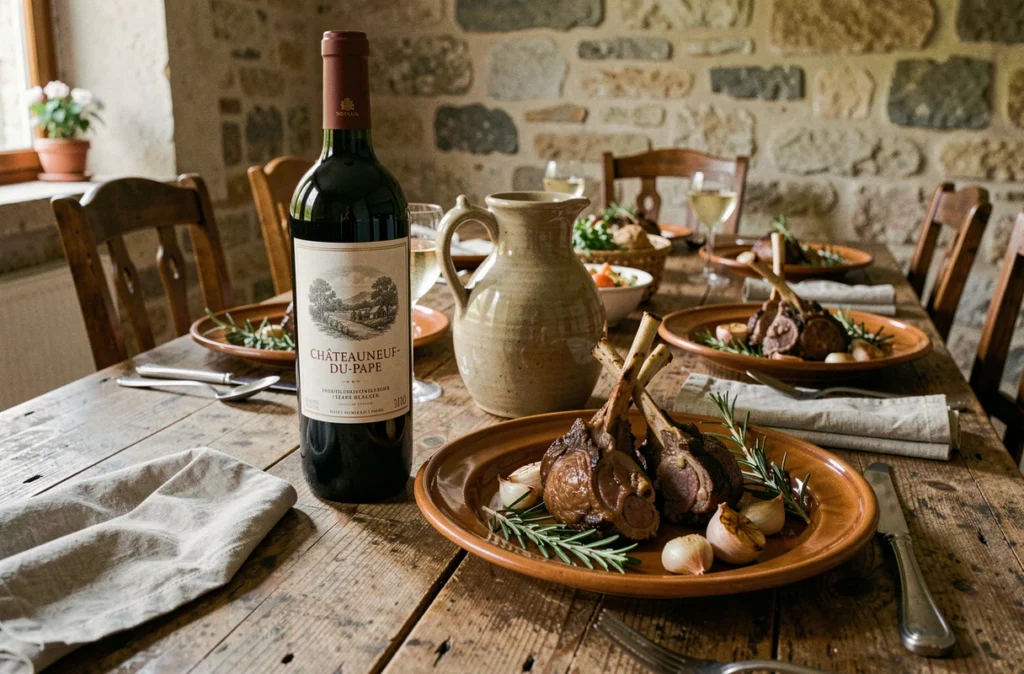
You open a bottle of Châteauneuf-du-Pape for dinner, and the first question comes up: red meat or cheese? The answer depends less on the wine’s color than on the specific style of the bottle. The appellation allows thirteen grape varieties and produces powerful reds dominated by Grenache, as well as full-bodied whites made with Clairette or Roussanne. Each estate takes a different approach, and matching the dish to the exact profile of the cuvée can transform the pairing.
Young or mature red: two styles, two menus
A Châteauneuf-du-Pape red under five years old is all about dark fruit, sweet spices and still-firm tannins. This style calls for dishes with enough fat and texture to soften that tannic structure.
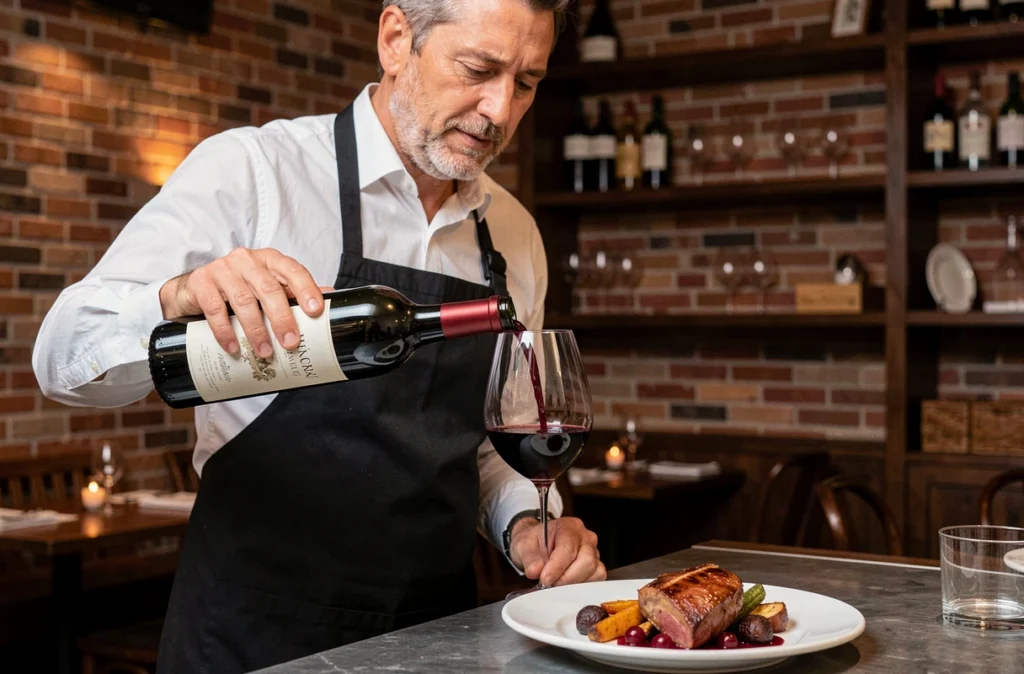
Roast rack of lamb with thyme, a Provençal daube slow-cooked for hours, or duck breast with cherries all work because their rich sauces or cooking juices coat the tannins without drying them out. Avoid overly acidic sauces (vinaigrettes, citrus), which make the wine taste harsher.
With a red aged ten years or more, the style shifts. The tannins have softened, and the wine develops notes of leather, forest floor and truffle. This is the time to choose dishes with tertiary flavors: feathered game (pigeon, woodcock), sautéed mushrooms, or risotto with black truffle. A practical rule: the more mature the wine, the more aromatic complexity the dish can have without overpowering it.
To explore possible pairings in more depth and serve Châteauneuf-du-Pape at the table with confidence, the vintage is the first thing to check before planning the menu.
Châteauneuf-du-Pape white: pairings that guides often overlook
White wines make up a small share of the appellation’s production, and pairing advice almost always focuses on the reds. Châteauneuf-du-Pape whites deserve a category of their own because they are nothing like white Burgundy or Bordeaux.
Blended from Clairette, Grenache Blanc, Roussanne or Bourboulenc, they have a generous mouthfeel, moderate acidity and aromas of white fruit, flowers and sometimes almond. Their natural richness stands up to dishes that other white wines could not handle.
- Fish in creamy sauces: monkfish à l’armoricaine, cod loin with saffron beurre blanc, or seared scallops with a shellfish reduction
- Roast poultry or poultry in a white sauce: free-range chicken with tarragon, poularde with morels, or creamy guinea fowl supreme
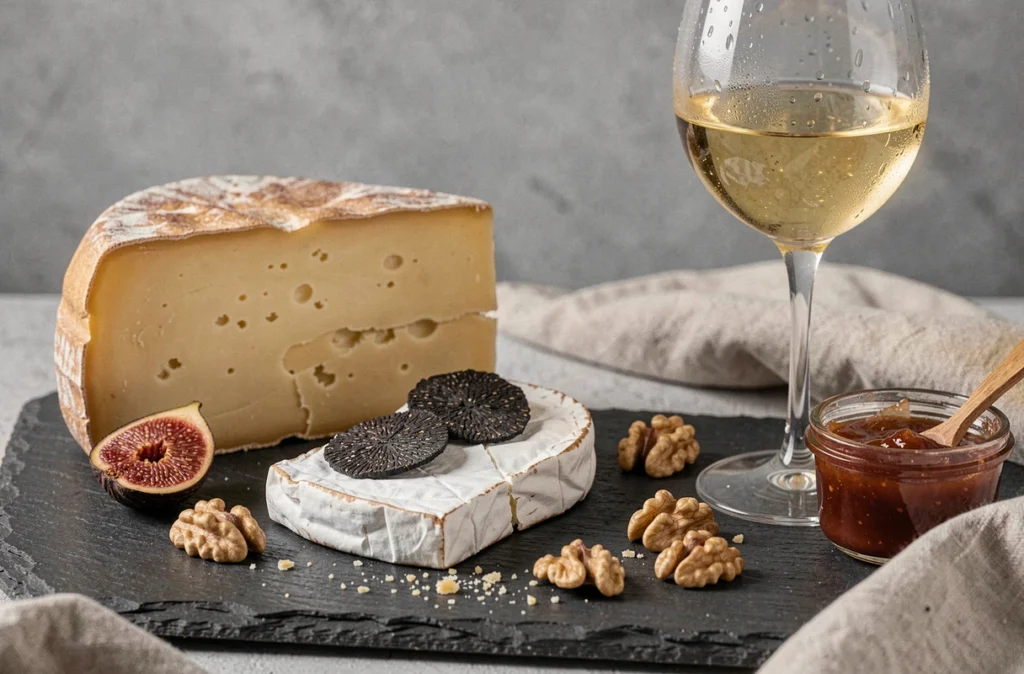
- Soft cheeses: Brillat-Savarin or Saint-Félicien enhance the pairing with their creamy texture, whereas a dry goat’s cheese would create an acidity mismatch
Serving temperature matters just as much as the choice of dish. Served too cold (below 10°C), a white loses its volume and seems thin alongside a rich sauce. At 12–14°C, it regains its breadth and complements the dish’s richness.
Match the pairing to the estate’s style, not just the color
Two Châteauneuf-du-Pape reds from the same vintage may call for different dishes. An estate that ferments whole bunches (with the grapes unstemmed) produces a spicier wine with a slightly fresher backbone. This style pairs better with grilled meats, peppercorn-crusted dishes or lamb tagine with sweet spices.
An estate that favors long extraction and aging in new barrels produces a more concentrated red, with firm tannins and toasted notes. This oaky style calls for slow-cooked dishes: braised beef, confit lamb shank or dry-aged rib of beef. The caramelized sauce echoes the barrel’s toasted notes.
A few practical pointers before you start cooking
Reading the back label can be more helpful than you might think. Terms such as “aged in large oak casks” or “aged in tank” indicate a fruitier, less oaky style that works with simpler dishes (grilled meat, ratatouille, vegetable tian). “Aged in barrels” or “new oak barrels” points to more elaborate dishes with reduced juices or thickened sauces.
The wine’s age and aging method matter more than the bottle’s price when it comes to getting the pairing right. A three-year-old red aged in large oak casks pairs better with a simple grilled chop than with a sophisticated sauced dish that would overwhelm it.
Châteauneuf-du-Pape pairings: common pitfalls at the table
The first pitfall is trying to outdo the wine. A powerful wine does not call for a powerful dish. Serve a Châteauneuf-du-Pape red with a fiery curry or heavily spiced chili con carne, and the chili will drown it out. Sweet spices (cumin, coriander, cinnamon) work; hot spices do not.
The second pitfall is raw green vegetables. Asparagus, artichokes and bitter salads contain compounds that create a metallic bitterness when they meet tannins. Save them for the starter with a different wine, or cook them to neutralize the effect.
- Avoid acidic vinaigrettes with the main course: they cut through the red’s roundness
- Don’t serve an intensely dark chocolate dessert with a tannic red: the combination of tannins and cocoa creates a drying sensation that is hard to overcome
- With cheese, choose cooked pressed cheeses (aged Comté, Beaufort) over blue cheeses, whose saltiness and bitterness compete with the wine rather than complementing it
One final point is often overlooked: bread and the fat on the table act as a buffer. A slice of fresh bread and a drizzle of olive oil between bites help cleanse the palate and bring the wine’s aromas back into focus. It’s a small serving detail that can make a difference to the enjoyment of an entire meal.