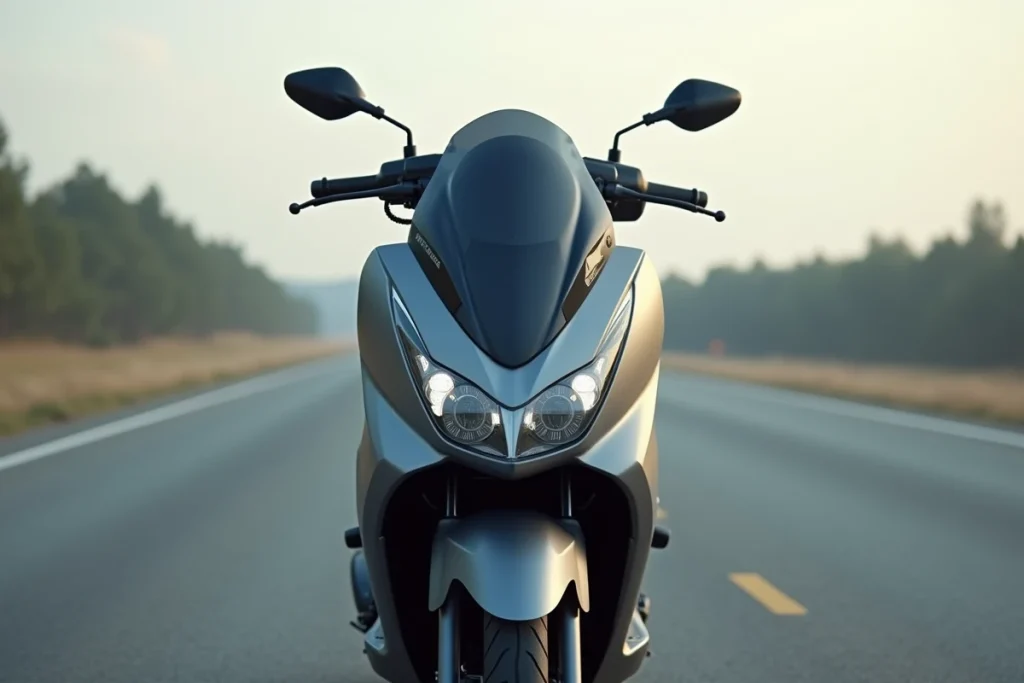
The Xmax 125 shows about 95 km/h real on flat once the break-in is completed, which is around 115 km/h on the speedometer. However, this milestone reached after the first 1,000 km tells only part of the story. The real question is what happens mechanically between 5,000 and 10,000 km, when the transmission wears, when the rollers change profile, and when maintenance (or lack thereof) begins to affect the power curve.
Xmax 125 CVT Transmission: the Variator as a True Vmax Regulator
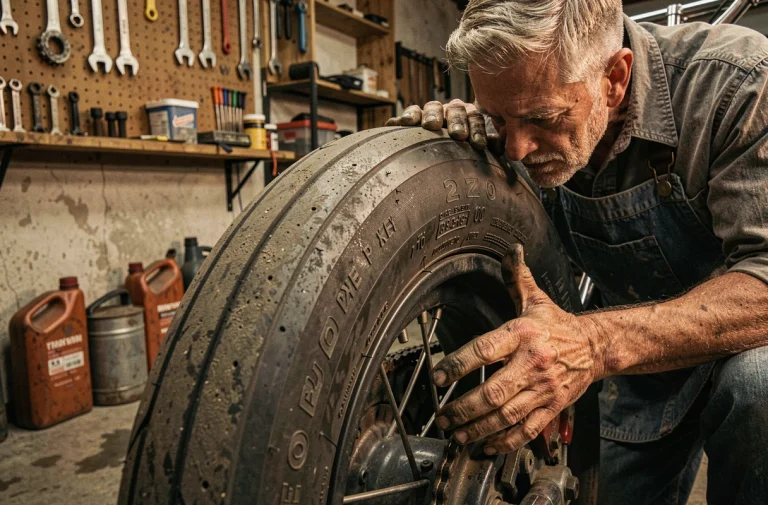
The maximum speed of a CVT scooter does not solely depend on the engine. On the Xmax 125, the variator, rollers, and belt form a system whose condition directly influences the real Vmax. We regularly observe that a worn set of rollers, even slightly, alters the transmission ratio at the top of the range and causes a drop in top speed.
The phenomenon is measurable: feedback from tuners and users indicates that a poorly calibrated service can cause a loss of 10 to 15 km/h on the speedometer. Replacing the rollers with parts of a different weight from the original, or a belt slightly shorter than the Yamaha specification, is enough to restrict the scooter without any warning lights coming on. The Vmax then gradually returns over a few hundred kilometers, as the new components find their working position.
This behavior explains why some owners notice a drop in performance after a service at a generalist provider, while the scooter was running perfectly before the intervention. The quality of the transmission parts and the rigor of the assembly matter as much as the displayed mileage. If you are looking for a detailed comparison on the maximum speed of the Xmax 125 after break-in, the topic of transmission holds a central place.
80-90 km/h Zone on Xmax 125: Why the Engine Peaks at This Point
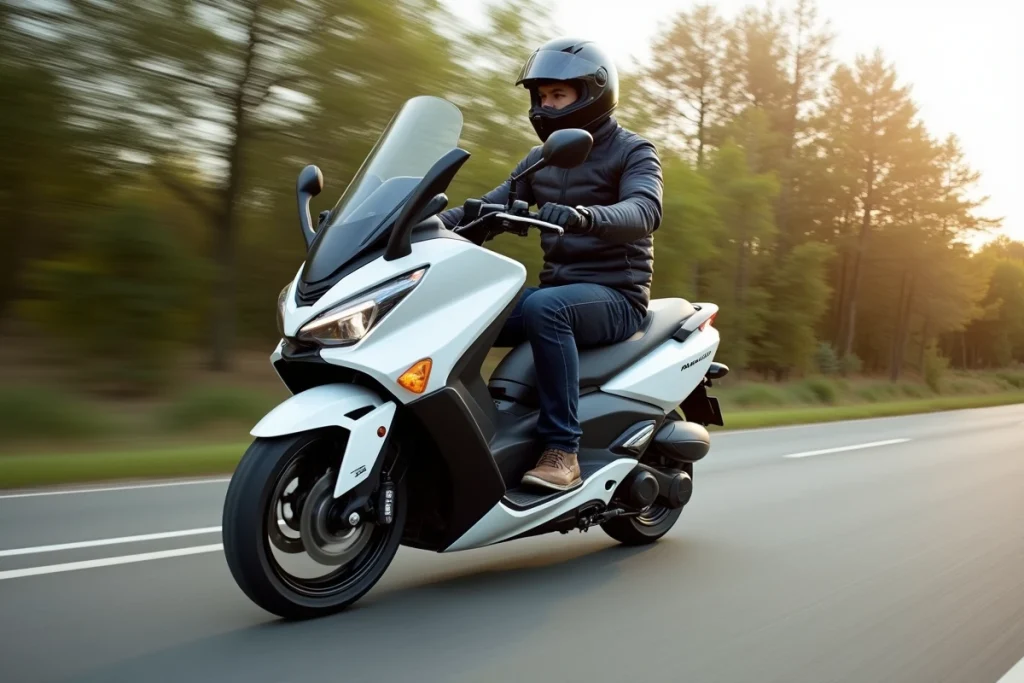
The single-cylinder engine of the Xmax 125 delivers its torque linearly up to 75-80 km/h. Beyond that, acceleration drops significantly. This characteristic persists after 10,000 km, even on a well-maintained engine. It is due to the engine displacement and power curve, not to a wear defect.
The 80-90 km/h range constitutes the extended effort zone of the engine. The RPM rises, fuel consumption increases, but the speed gain becomes marginal. A well-broken-in Xmax takes noticeably longer to go from 90 to 110 km/h on the speedometer than to reach 80 km/h from a standstill. This behavior does not degrade with mileage; it is structural.
The practical consequence: the comfortable cruising speed is around 100-110 km/h on the speedometer on a fast road. Riding beyond this stresses the engine continuously in its high zone, which accelerates the wear of the transmission and increases consumption without a real gain in average speed. We recommend setting the cruise below this threshold to preserve the mechanics in the long term.
Xmax 125 Maintenance After 10,000 km: Factors Influencing Vmax
An Xmax 125 maintained according to the Yamaha manufacturer’s plan retains a Vmax almost identical well beyond 10,000 km. Users report mileages of 50,000 to 100,000 km without a notable loss of top speed. The key lies in adhering to a few specific maintenance points.
- Variator Rollers: their wear alters the contact profile with the variator cheeks, which shifts the transmission ratio. A visual inspection and weighing every 6,000 to 8,000 km allow for anticipating a loss of Vmax.
- Transmission Belt: elongation or lateral wear reduces the winding diameter on the driven pulley. Replacement at Yamaha intervals prevents a gradual and silent degradation of performance.
- Air Filter and Spark Plug: a clogged filter limits airflow and weakens the mixture at high RPM. The spark plug, if it is out of electrode specification, degrades combustion without obvious symptoms at low RPM but costs a few km/h in Vmax.
- Engine Oil: adhering to viscosity and change intervals protects the bearings and rings. Degraded oil increases internal friction, especially when hot and under load.
The common point of these factors: none trigger a warning light or a clear failure. The loss of Vmax is gradual, often wrongly attributed to mileage when it stems from incomplete maintenance.
Real Evolution of the Maximum Speed of the Xmax 125: Break-in, 5,000 km, 10,000 km
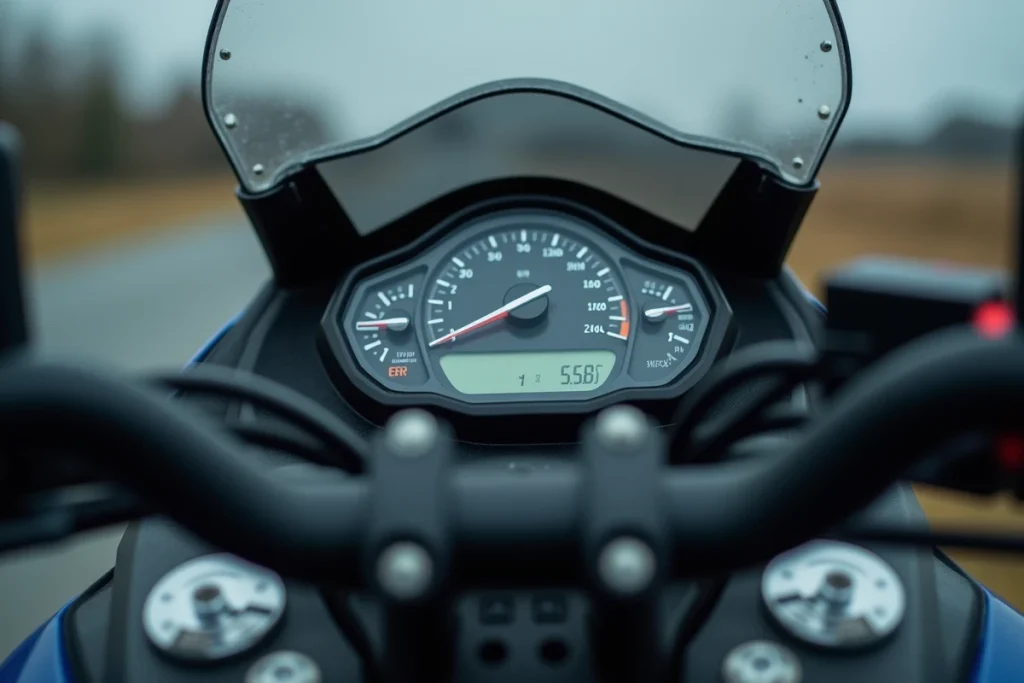
During the break-in (0 to 1,000 km), Yamaha prescribes a gradual increase in RPM. The Vmax remains deliberately limited by the rider: riding at full throttle during this phase compromises the adjustment of the rings and the cylinder. In practice, most owners do not exceed 80-90 km/h on the speedometer during this period.
Between 1,000 and 5,000 km, the engine frees up. The rings have taken their imprint, and the mechanical clearances stabilize. It is in this range that the Vmax reaches its reference level, around 115 km/h on the speedometer under favorable conditions (flat, no wind, solo rider).
After 5,000 km, the Vmax no longer progresses significantly. It remains stable if the transmission is in good condition. Variations observed beyond are almost exclusively due to the condition of consumables (rollers, belt, filtration) and riding conditions. An Xmax at 10,000 km with a new transmission rides as fast as at 3,000 km.
The Xmax 125 is not a scooter whose Vmax evolves with mileage once the break-in is over. It is a scooter whose Vmax faithfully reflects the condition of its transmission. Monitoring the rollers, belt, and filtration is enough to maintain its performance over time, without heavy intervention or costly parts.